How Low-Voltage Electricians Integrate Smart Home Technologies
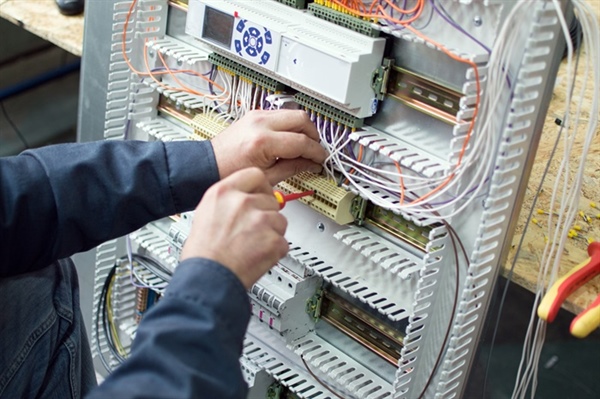
Smart home technology is revolutionizing our lives, offering convenience, efficiency, and enhanced control over household systems. From automated lighting to integrated climate control, these systems are becoming staples in modern homes.
Low-voltage electricians are at the forefront of this transformation, bridging the gap between cutting-edge technology and practical home applications. Their role is critical in ensuring these systems function seamlessly while meeting homeowners' needs for reliability and security.
This article explores the various facets of low-voltage electricians’ work in the smart home industry. Each section offers detailed insights to help you understand these professionals' integral part in the smart home ecosystem.
The Role of Electricians in Setting Up Home Automation Systems
Low-voltage electricians are pivotal in setting up home automation systems by designing and installing the electrical infrastructure that supports smart technologies.
These professionals ensure that all devices, such as lighting controls, thermostats, and security systems, are properly connected to the home's central hub or network. Their expertise extends to configuring these systems so they work seamlessly together, providing homeowners with a unified experience.
Electricians are also responsible for ensuring the safety and reliability of these installations. This involves adhering to electrical codes and standards, performing tests to verify system functionality, and troubleshooting any issues that may arise during installation.
They often collaborate with homeowners to understand their needs and recommend appropriate solutions to optimize the smart home experience.
Whether installing a new smart home system or upgrading an existing setup, electricians ensure the foundation of the system is robust.
Ensuring Compatibility Between Different Smart Devices
One of the biggest challenges in the smart home industry is ensuring compatibility among various devices from different manufacturers. Electricians address this by selecting and installing components that adhere to industry standards, such as Zigbee, Z-Wave, or Wi-Fi. These standards enable devices to communicate effectively with each other and the central smart home hub.
Electricians also configure and program these devices to ensure seamless operation. For example, they might set up lighting systems to work with motion sensors or integrate voice-activated assistants with security cameras.
By understanding the technical specifications of each device, electricians can eliminate potential conflicts and ensure that all components work harmoniously.
In addition to installation, electricians provide ongoing support to troubleshoot any compatibility issues that may arise as homeowners add new devices to their systems. For detailed insights into compatibility and device integration, check out our resources on smart home technology.
Challenges in Retrofitting Older Homes With Smart Technologies
Retrofitting older homes with smart technologies presents unique challenges, often due to outdated wiring or limited electrical infrastructure.
Many older homes were not designed with modern smart systems in mind, requiring significant modifications to accommodate new technology. Electricians must carefully assess the existing infrastructure and determine the best way to integrate smart systems without compromising the home’s structural integrity.
One common solution involves using wireless technologies to minimize the need for invasive wiring changes. Low-voltage electricians can install wireless hubs, sensors, and devices that communicate over Wi-Fi or Bluetooth, reducing the need for extensive renovations.
However, in some cases, upgrading the electrical panel or rewiring certain areas may be necessary to support the increased load of smart devices.
Electricians also consider the aesthetics and functionality of the installation, ensuring that the upgrades blend seamlessly into the home’s design. This meticulous planning ensures that homeowners can enjoy the benefits of smart technologies without sacrificing the charm of their older homes.
Addressing Security Concerns in Smart Home Setups
Security is a top priority for homeowners adopting smart home technologies, and electricians play a crucial role in safeguarding these systems.
By implementing secure wiring practices and installing devices with robust encryption protocols, electricians help prevent unauthorized access to the smart home network. They also ensure the central hub and connected devices are configured with secure passwords and firmware updates.
Another critical aspect involves physical security measures. Electricians carefully plan the placement of security cameras, motion detectors, and other sensors to maximize coverage and minimize vulnerabilities.
They also work with homeowners to integrate these systems with mobile apps or centralized controls, allowing real-time monitoring and alerts.
By addressing both physical and digital security concerns, electricians help homeowners feel confident in the safety of their smart home systems. This expertise is essential for maintaining trust in the technology and ensuring its long-term reliability.
Training Required for Electricians to Stay Updated with Smart Tech
Electricians must stay updated with the latest advancements and industry standards as smart home technologies evolve.
This often involves attending specialized training programs, earning certifications, and participating in workshops or webinars. Certifications from organizations such as the Consumer Technology Association (CTA) or programs like KNX can enhance an electrician’s expertise in smart home systems.
Additionally, many electricians collaborate with manufacturers and suppliers to gain hands-on experience with new devices and technologies. This allows them to understand the practical applications of emerging tools and provide the most effective solutions for their clients.
Staying informed about industry trends and advancements is not only beneficial for electricians but also for homeowners who rely on their expertise. Electricians with the latest knowledge can deliver cutting-edge solutions that meet the demands of modern smart homes.
How Revience Can Help with Smart Home Integration
Revience specializes in integrating smart home technologies with precision and expertise, ensuring your home automation systems are tailored to your needs. From setting up comprehensive smart systems to ensuring device compatibility, our team has the knowledge and experience to deliver seamless and reliable solutions.
Whether retrofitting an older home or installing cutting-edge security features, Revience provides solutions that align with modern smart home trends.
Our highly trained electricians stay updated with the latest advancements, enabling them to address challenges effectively and offer innovative solutions. We are committed to delivering the highest level of service, ensuring your smart home setup exceeds expectations.
If you’re ready to transform your living space into a modern smart home or have questions about any aspect of smart technology integration, contact us today or call us at 763-497-4989. Let Revience help you unlock the full potential of your home with expert smart technology solutions!